Vulcan
Vulcan comes to us through Roman religion and mythology, carrying powerful themes of transformation, protection, and resilience. Through myth, devotion, and modern spiritual practice, Vulcan offers a rich presence for anyone drawn to these mysteries.
Who is Vulcan?
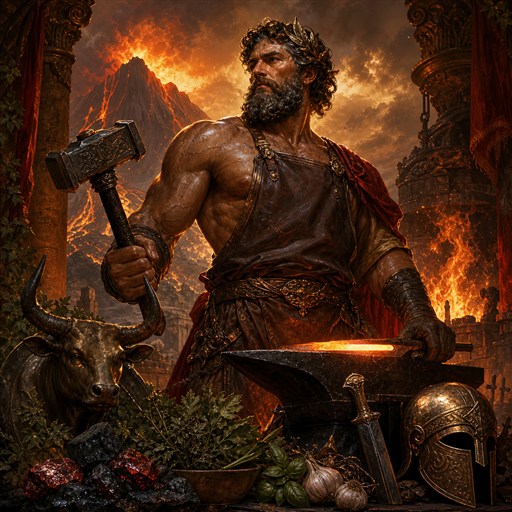
Vulcan, the Roman god of fire, metalworking, and craftsmanship, is revered as the divine blacksmith who forges weapons, armor, and tools for gods and heroes alike.
The stories of Vulcan reveal a figure shaped by sacred relationships, symbols, challenges, and gifts. Exploring those stories can deepen ritual work while giving the correspondences below a more meaningful foundation.
Vulcan meaning and key themes
Those who feel drawn to Vulcan often seek connection with the following energies and life themes:
- Transformation: Death-and-rebirth symbolism, transition, and the conscious release of an old pattern.
- Protection: Boundaries, guardianship, safety, and responsible preparation.
- Resilience: Resilience as interpreted through the stories and modern associations surrounding this figure.
Choose the theme that feels most alive for you and give it a clear purpose. A simple intention, repeated practice, and meaningful action can make the connection feel grounded and personal.
Vulcan symbols and correspondences
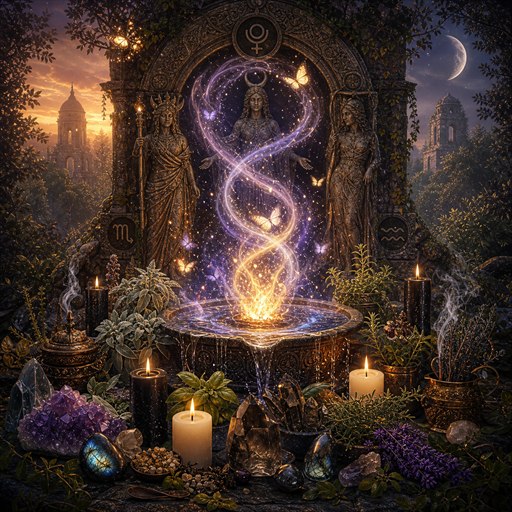
These correspondences blend mythology-inspired symbolism with modern spiritual associations. Use them to shape an altar, meditation, seasonal observance, creative practice, or personal ritual.
- Key themes: transformation, protection, and resilience
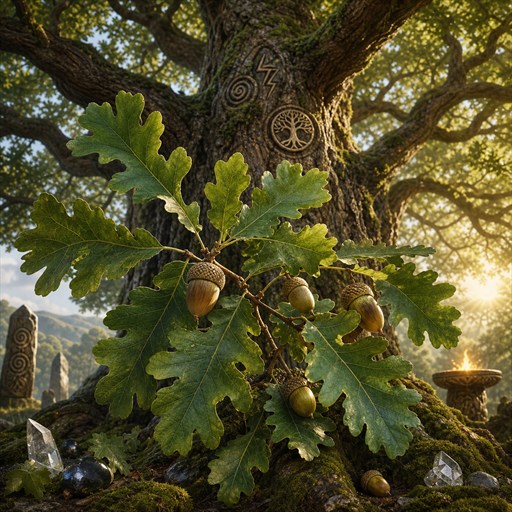
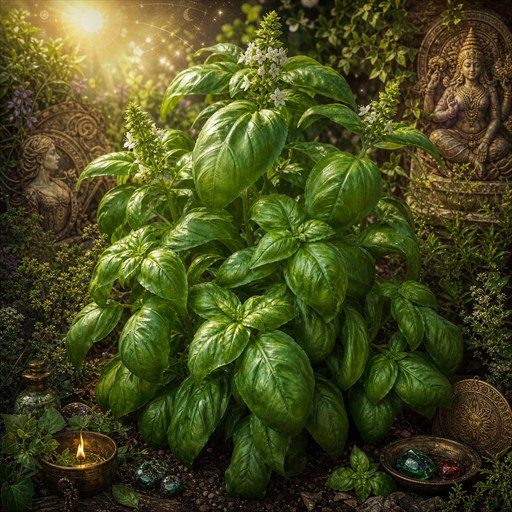
- Herbs and plants: oak, nettle, garlic, and basil
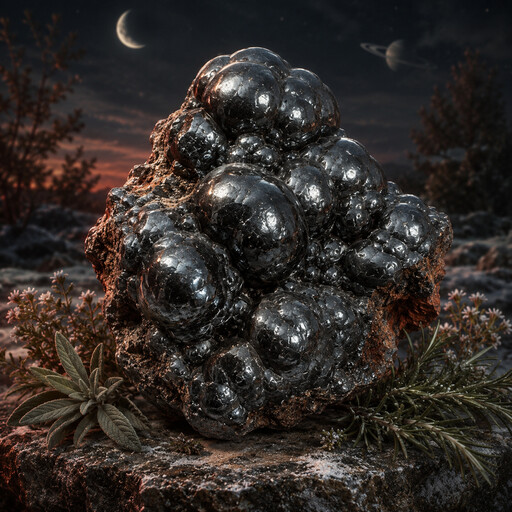
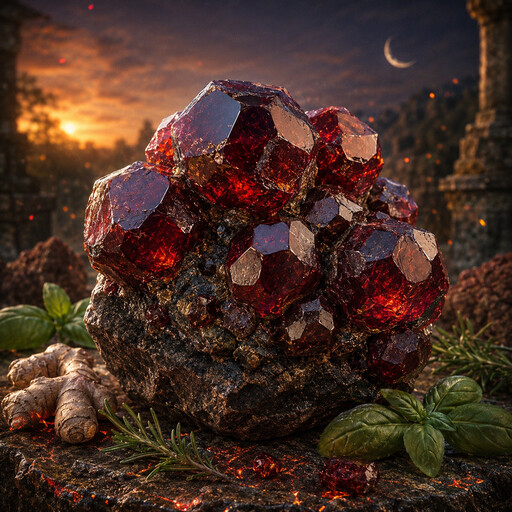
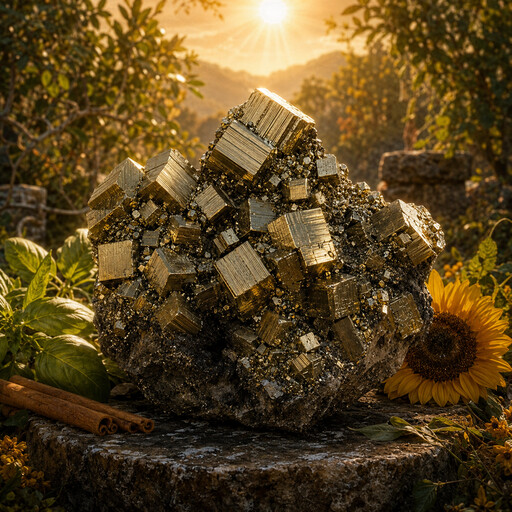
- Crystals and materials: Hematite, Garnet, Pyrite, and Obsidian
- Elements: fire and earth
- Celestial associations: Mars
- Zodiac associations: Taurus and Capricorn
- Seasonal or ritual timing: noon
Potential visual symbols for a journal page or altar include Hematite, Garnet, oak, nettle, and Mars. You do not need every correspondence at once—one or two well-chosen items will usually create a clearer, more intentional space.
Ways to work with Vulcan
- Protection or courage work: light a candle, name the boundary or challenge before you, and ask for steadiness.
- Renewal ritual: release an old pattern in writing, then choose one restorative action to carry forward.
- Mythic meditation: read a story about Vulcan, visualize its setting, and notice which image or lesson stays with you.
- Dedicated altar space: gather a few meaningful symbols, keep the arrangement uncluttered, and refresh it with intention.
A simple Vulcan devotional ritual
- Choose one intention connected with transformation and write it in a single sentence.
- Arrange a candle or light, one symbolic object, and an image or written name of Vulcan.
- Take several slow breaths, speak your intention, and welcome the qualities of transformation, protection, and resilience into the ritual.
- Sit quietly, pray, journal, sing, create, or visualize for a few minutes.
- Close with gratitude and complete one practical action that supports your intention.
Offerings and altar ideas for Vulcan
An offering can be beautiful and simple. Choose something that reflects Vulcan’s stories, symbols, or values rather than trying to gather every possible correspondence.
- Crystals: Hematite, Garnet, Pyrite, and Obsidian.
- Herbs and flowers: oak, nettle, garlic, and basil displayed fresh or dried.
- Celestial imagery: symbols of Mars.
- Written devotion: a prayer, poem, hymn, gratitude note, or petition connected with transformation.
- Living offering: an act of generosity, creativity, protection, learning, or service that reflects Vulcan’s themes.
Use candles, incense, herbs, food, and outdoor offerings with ordinary fire, allergy, pet, and environmental awareness. A heartfelt prayer or aligned act is always a meaningful alternative to a physical item.
Frequently asked questions
What tradition is Vulcan from?
Vulcan is discussed here in relation to Roman religion and mythology. Because names and stories can travel across languages and communities, consult tradition-specific sources for a fuller picture.
What is Vulcan associated with?
Vulcan is especially associated with transformation, protection, and resilience. Contemporary spiritual practice may also pair Vulcan with Hematite, Garnet, Pyrite, and Obsidian and oak, nettle, garlic, and basil.
When is the best time to work with Vulcan?
Common timing associations for Vulcan include noon. You can also work with this figure whenever the themes of transformation, protection, and resilience feel especially relevant.
Myths, devotional customs, and modern correspondences can vary across sources and traditions. Let this guide inspire further discovery and a practice that feels sincere, informed, and personal.